
The Evolution of Luxury Living
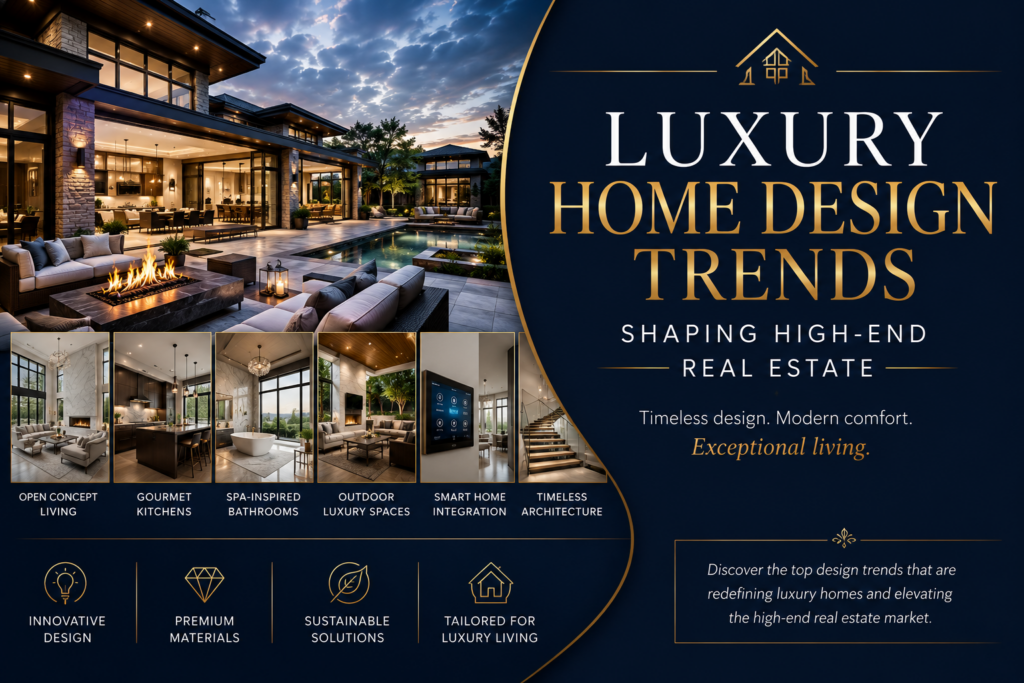
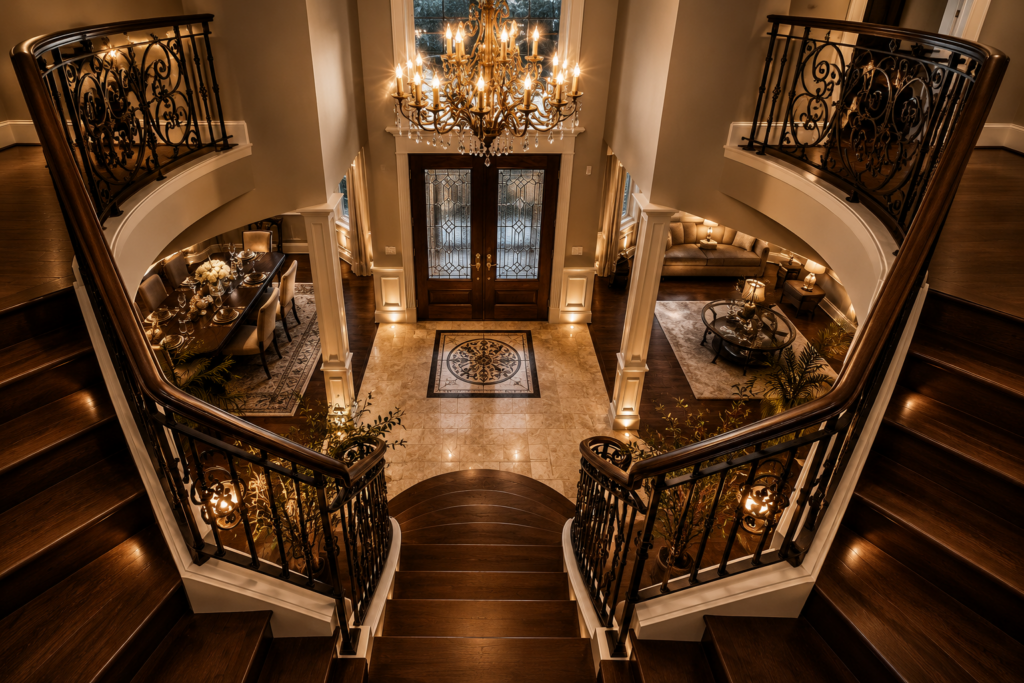
Luxury real estate has always reflected the aspirations, lifestyles, and priorities of affluent homeowners. However, the definition of luxury continues to evolve. While grand entrances, impressive square footage, and premium materials remain desirable, today’s luxury buyers are increasingly focused on how a home supports everyday living. Modern estate homes are expected to be beautiful, functional, technologically advanced, wellness-oriented, and adaptable to changing lifestyles. As a result, luxury home design in 2026 looks significantly different than it did even a decade ago.
Today’s buyers are no longer seeking homes simply to impress visitors. They want residences that provide comfort, privacy, efficiency, flexibility, and meaningful experiences. Architectural design, outdoor living, sustainability, wellness, and technology have become central components of luxury real estate. Many of the trends shaping high-end homes today are likely to influence luxury communities and estate properties for years to come.
According to luxury housing research from the National Association of Realtors and Realtor.com, affluent buyers continue prioritizing lifestyle-driven amenities, wellness features, energy efficiency, and flexible living spaces when evaluating premium real estate. Let’s explore the design trends that are redefining luxury living in today’s high-end real estate market.
🏛 Timeless Architecture Is Replacing Short-Term Trends
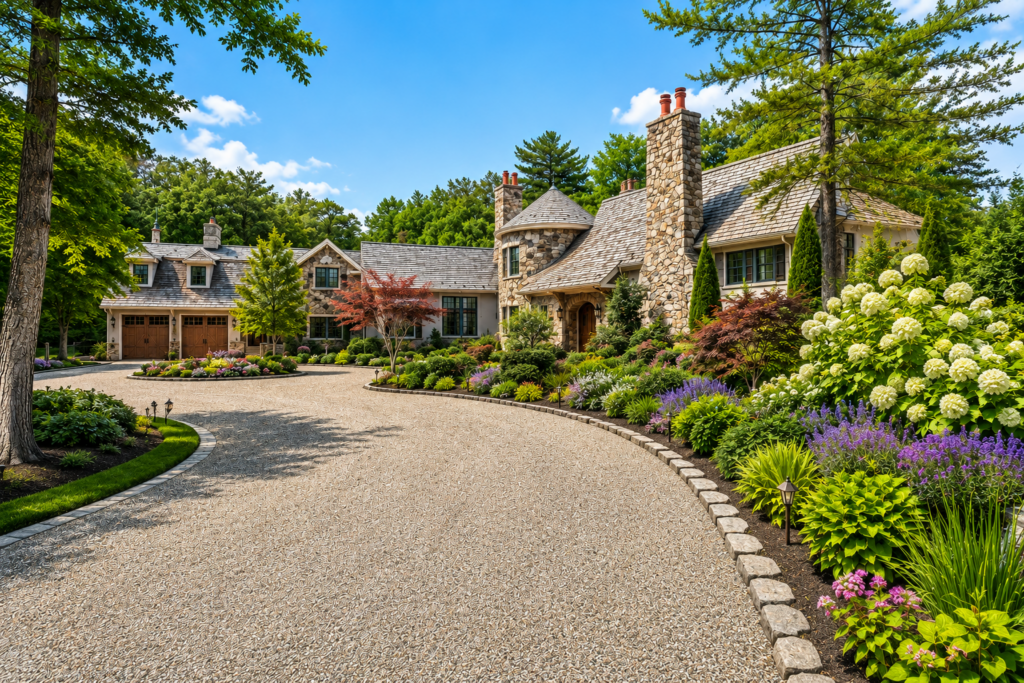
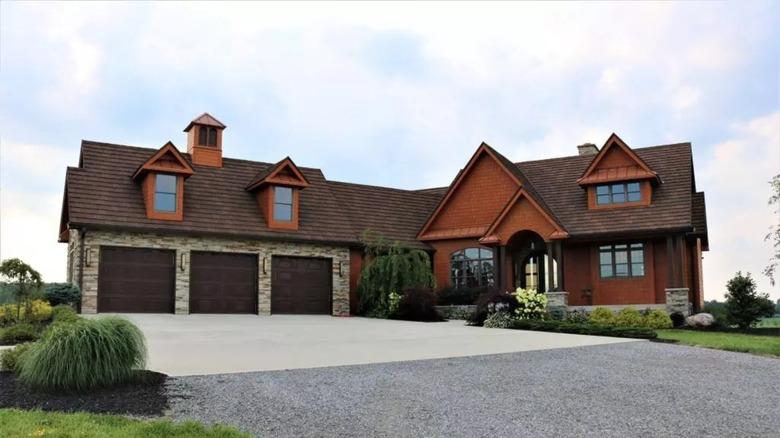
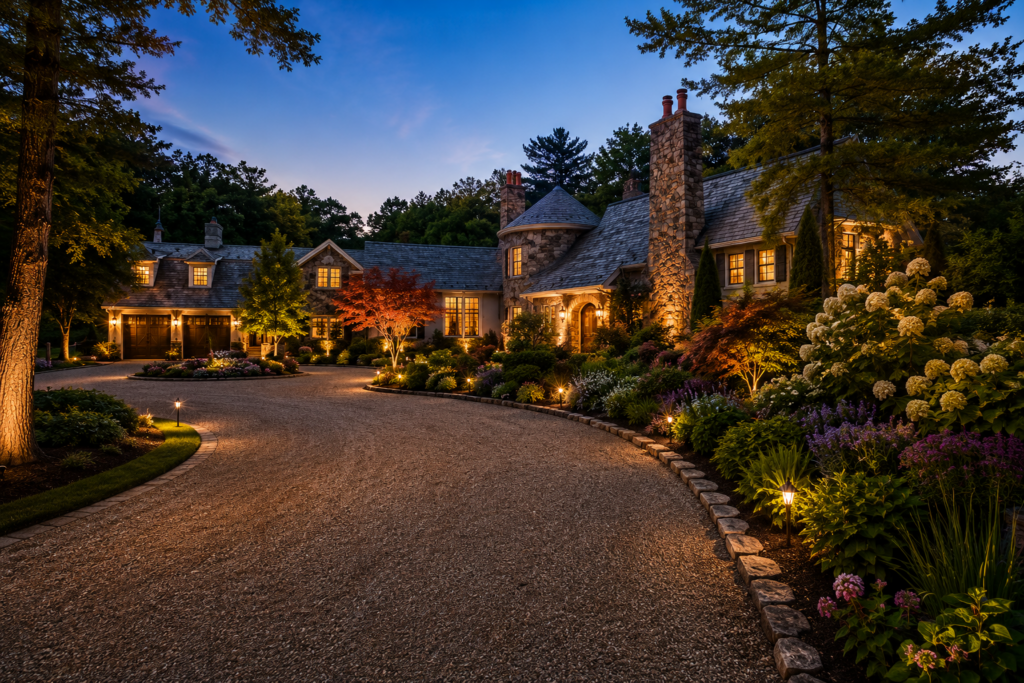
One of the most significant shifts in luxury home design is the move toward timeless architecture. Affluent buyers are increasingly favoring homes that will remain beautiful and relevant for decades rather than properties built around temporary design trends.
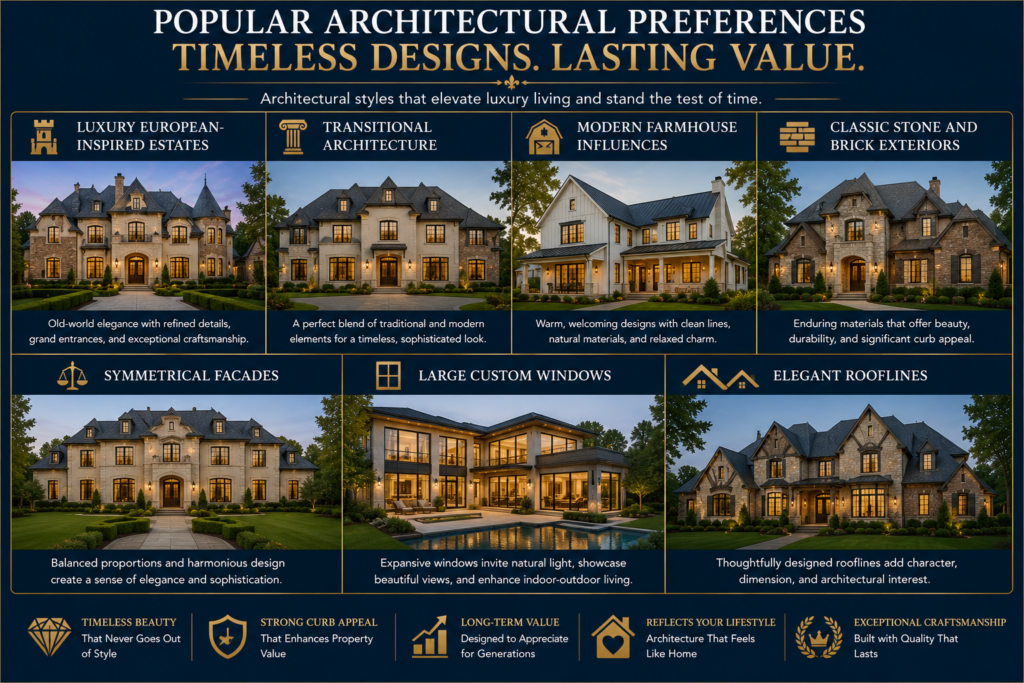
Popular architectural preferences include:
✔ Luxury European-inspired estates
✔ Transitional architecture
✔ Modern farmhouse influences
✔ Classic stone and brick exteriors
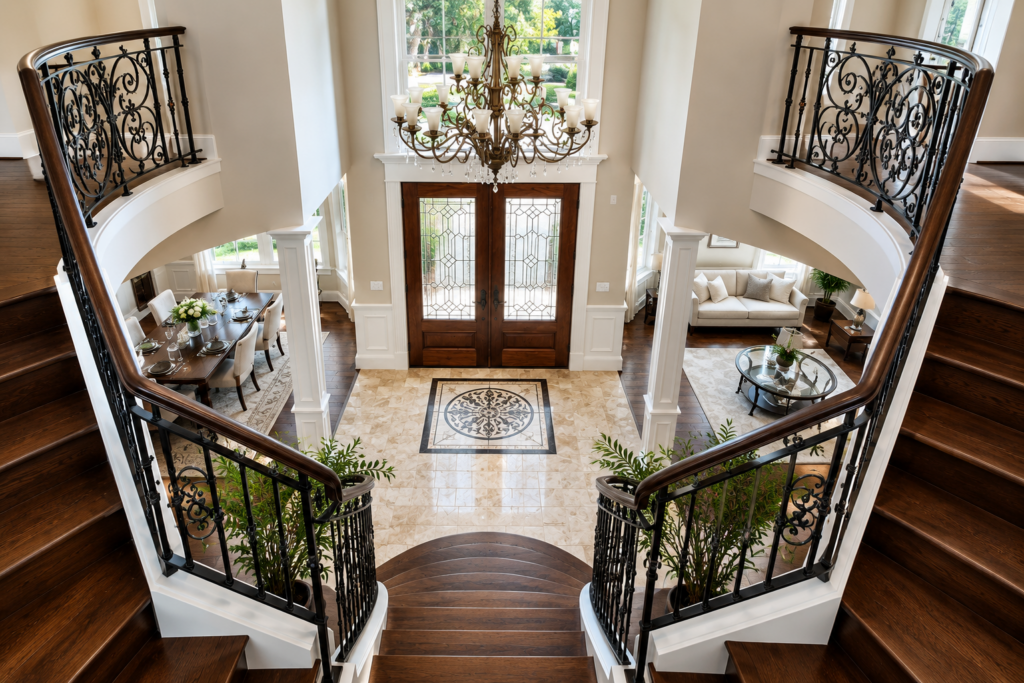
✔ Symmetrical facades
✔ Large custom windows
✔ Elegant rooflines
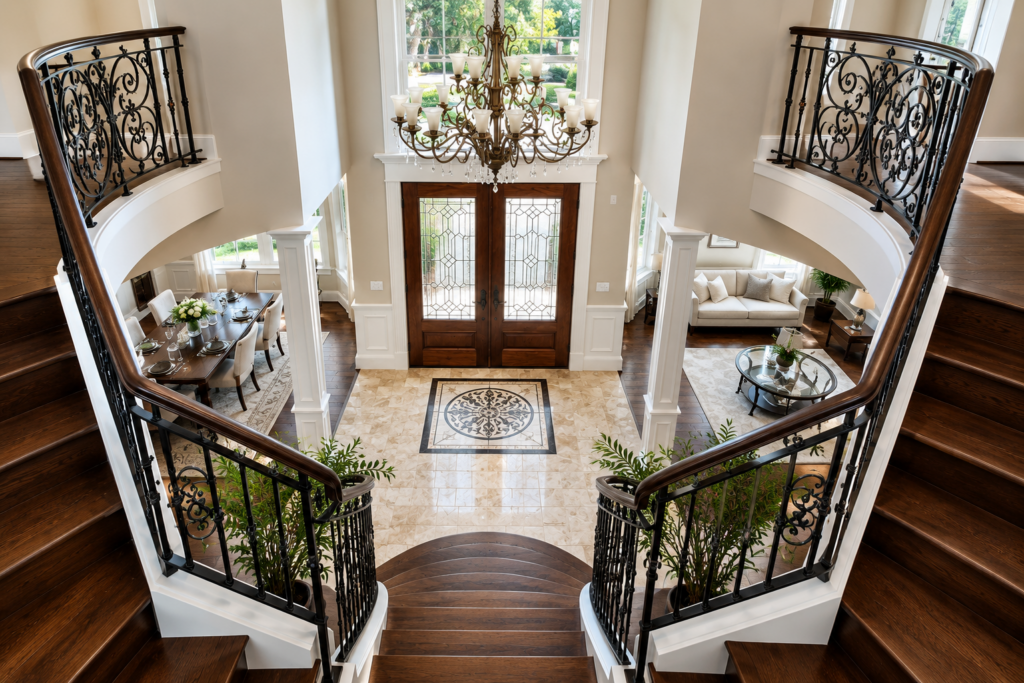
Rather than overly contemporary designs that may quickly become dated, many buyers prefer homes that combine traditional architectural principles with modern functionality. Timeless design helps protect long-term value because future buyers are more likely to appreciate enduring architectural elements. Properties featuring exceptional craftsmanship and architectural distinction often become some of the most desirable homes within their communities.
🌳 Indoor-Outdoor Living Continues to Expand
Luxury buyers increasingly want homes that blur the line between indoor and outdoor living. Rather than treating patios and outdoor spaces as secondary amenities, today’s estate homes incorporate outdoor environments as fully integrated extensions of the home.
Popular outdoor living features include:
🏊 Resort-style pools
🔥 Outdoor fireplaces
🍽 Outdoor kitchens
🍷 Covered dining areas
🎵 Integrated entertainment systems
🛋 Outdoor living rooms
🌿 Professionally designed landscaping
🏖 Poolside entertainment spaces
Large sliding glass walls, retractable doors, and covered patios allow homeowners to transition seamlessly between indoor and outdoor environments. This trend has become especially important for buyers who enjoy entertaining and spending time with family outdoors.
🧖 Wellness-Centered Design Is Becoming Essential
Health and wellness are playing a larger role in luxury home design than ever before. Many affluent buyers now view their homes as personal wellness retreats designed to support both physical and mental well-being.
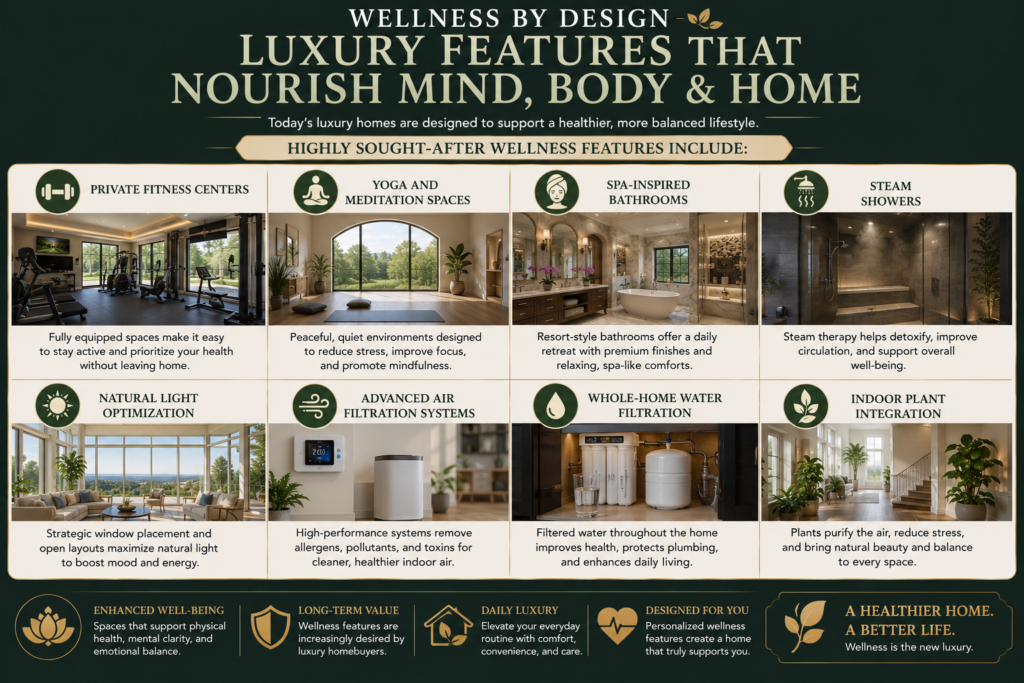
Highly sought-after wellness features include:
🏋 Private fitness centers
🧘 Yoga and meditation spaces
🧖 Spa-inspired bathrooms
🚿 Steam showers
🌞 Natural light optimization
💨 Advanced air filtration systems
🚰 Whole-home water filtration
🌿 Indoor plant integration
Research continues to demonstrate the positive impact that natural light, clean air, and wellness-focused environments can have on quality of life.
Luxury buyers increasingly prioritize homes that support healthier lifestyles without requiring them to leave the property. The U.S. Department of Energy also highlights the growing importance of indoor environmental quality and energy-efficient building systems in modern residential design.
🧠 Smart Home Technology Is Now Expected
Technology has moved from luxury upgrade to standard expectation. Modern estate homes increasingly incorporate sophisticated systems that improve convenience, security, efficiency, and entertainment.
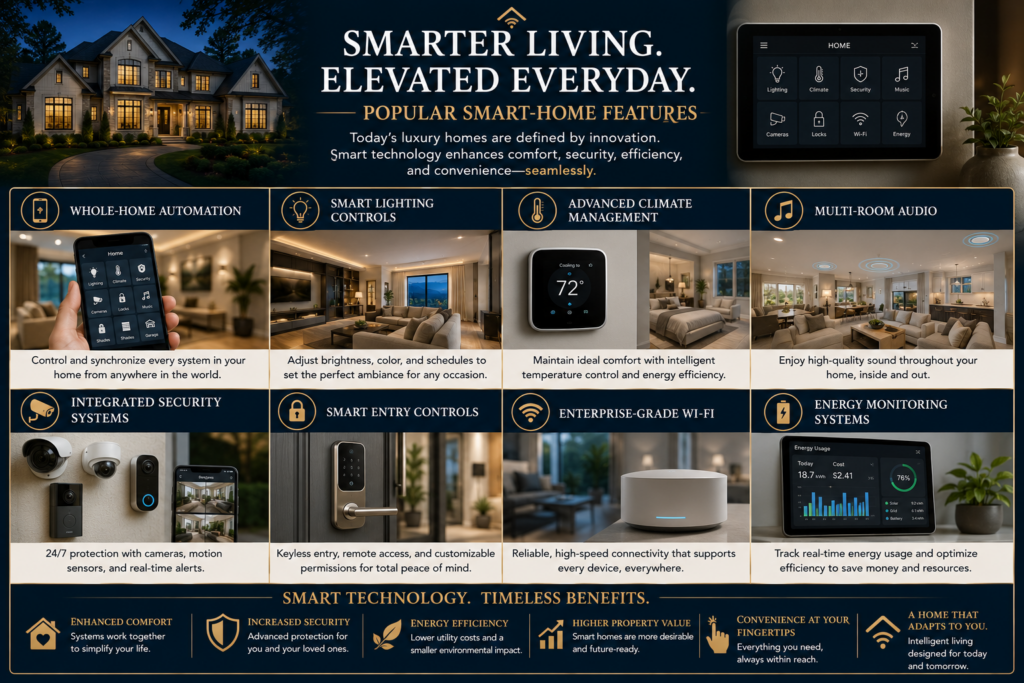
Popular smart-home features include:
📱 Whole-home automation
💡 Smart lighting controls
🌡 Advanced climate management
🎵 Multi-room audio
📹 Integrated security systems
🚪 Smart entry controls
📶 Enterprise-grade Wi-Fi
🔋 Energy monitoring systems
Today’s luxury buyers want technology that works seamlessly behind the scenes rather than complicated systems requiring constant management. The best smart-home designs enhance daily living while remaining intuitive and easy to use.
🍽 Kitchens Are Becoming Social Centers
The luxury kitchen continues evolving beyond its traditional role as a cooking space. Today’s kitchens are designed as central gathering areas where family members, guests, and homeowners naturally spend time together.
Highly desirable kitchen features include:
🍷 Wine refrigerators
☕ Built-in coffee systems
🔥 Professional-grade appliances
🏝 Oversized islands
🥂 Secondary prep kitchens
🧊 Integrated refrigeration
✨ Custom cabinetry
🍽 Entertaining-friendly layouts
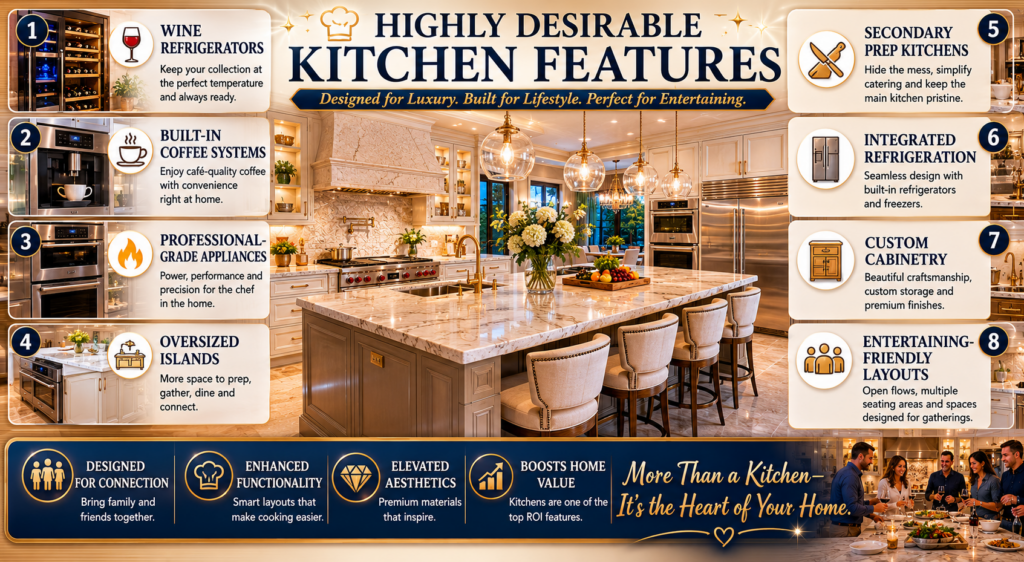
Many luxury homes now incorporate sculleries, catering kitchens, or hidden prep areas that allow homeowners to entertain without disrupting the main living spaces. The kitchen remains one of the most influential rooms affecting both lifestyle and resale value.
🏡 Flexible Spaces Are Replacing Single-Purpose Rooms
Another major trend shaping luxury home design is flexibility. Rather than dedicating large areas to single-purpose spaces, homeowners increasingly prefer rooms that can adapt to changing needs.
Flexible living spaces may include:
👨💼 Home offices
🎓 Study areas
🎮 Recreation rooms
🛏 Guest suites
🏋 Wellness spaces
🎨 Creative studios
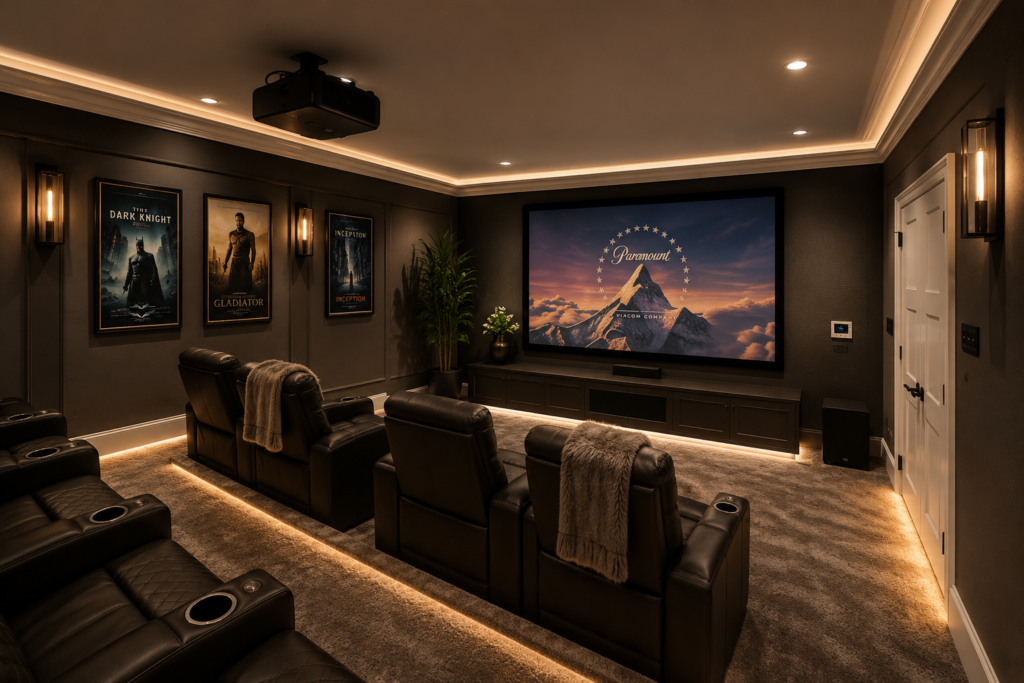
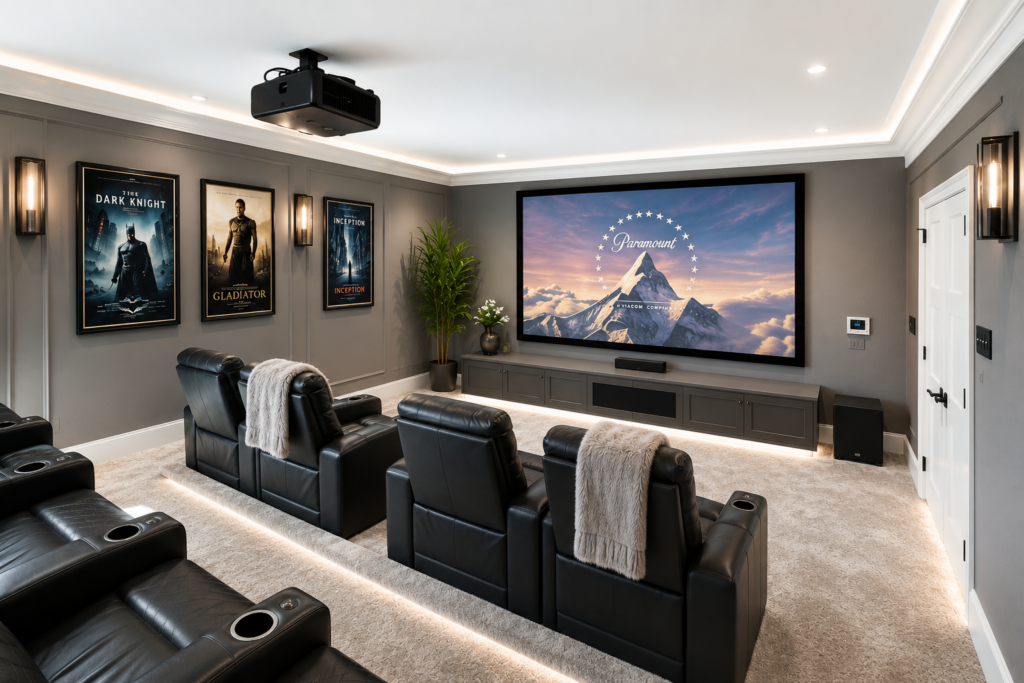
🎭 Entertainment rooms
📚 Library retreats
The rise of remote work and evolving family dynamics has accelerated demand for homes capable of supporting multiple functions. Luxury buyers want residences that can evolve alongside their lifestyles.
🌿 Sustainability and Energy Efficiency Are Luxury Features
Sustainability has become an important part of luxury design. Affluent buyers increasingly recognize that environmental responsibility and luxury living can coexist.
Popular sustainable features include:
☀ Solar integration
🔋 Battery storage systems
🚗 Electric vehicle charging
💡 Energy-efficient lighting
🌡 High-performance insulation
🚿 Water conservation systems
💨 Efficient HVAC technology
🏡 Smart energy management
Many luxury homeowners appreciate the combination of environmental benefits, operational savings, and future marketability these features provide.Sustainability is no longer viewed as an alternative feature—it has become an integral component of modern luxury living.
🎭 Dedicated Entertainment Spaces Remain Highly Desirable
Luxury buyers continue prioritizing homes that provide exceptional entertainment opportunities. Many estate homes now feature spaces designed specifically for recreation and social gatherings.
Popular entertainment amenities include:
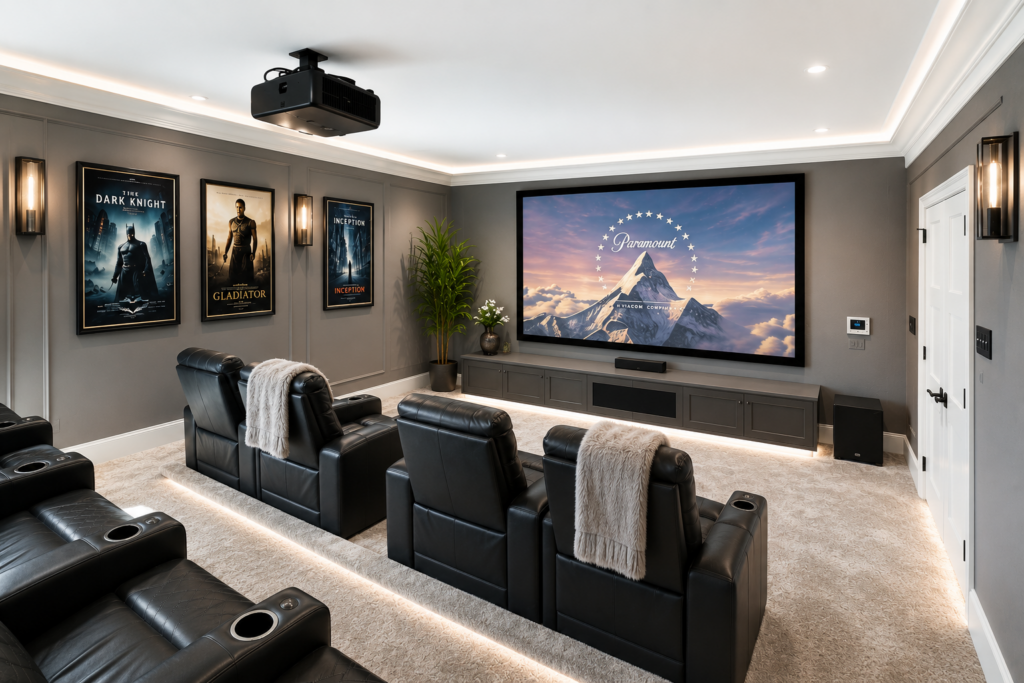
🎬 Home theaters
🍷 Wine tasting rooms
🎮 Gaming lounges
🎵 Music rooms
🏀 Indoor sports facilities
🎱 Billiards rooms
🔥 Outdoor entertainment pavilions
🏊 Resort-style recreation areas
These amenities allow homeowners to enjoy memorable experiences without leaving their property. For many luxury buyers, convenience and lifestyle integration are major priorities.
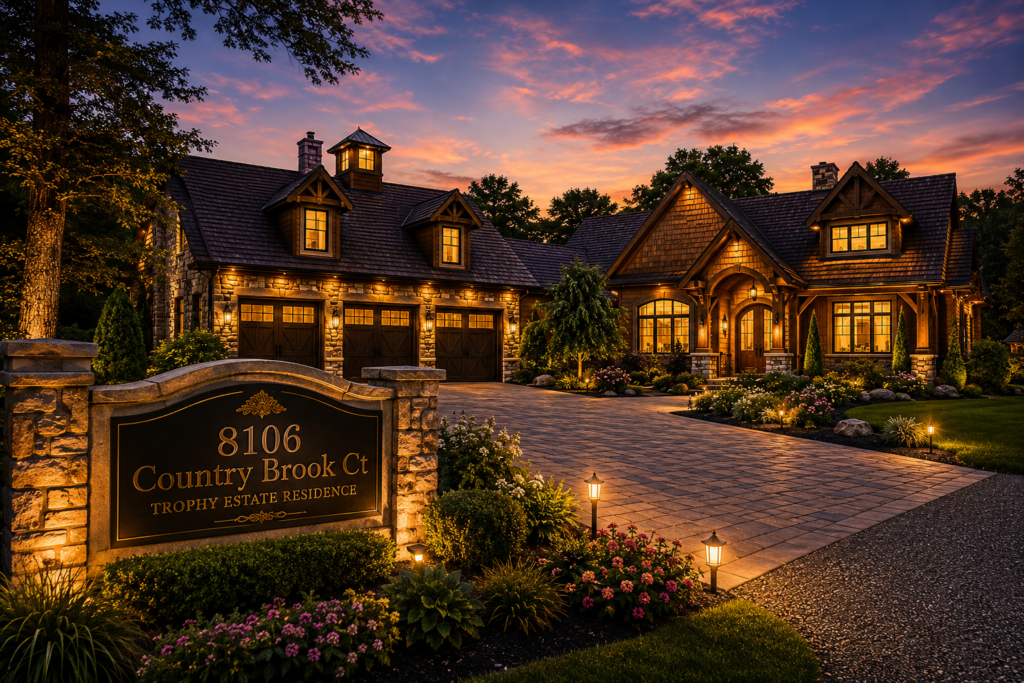
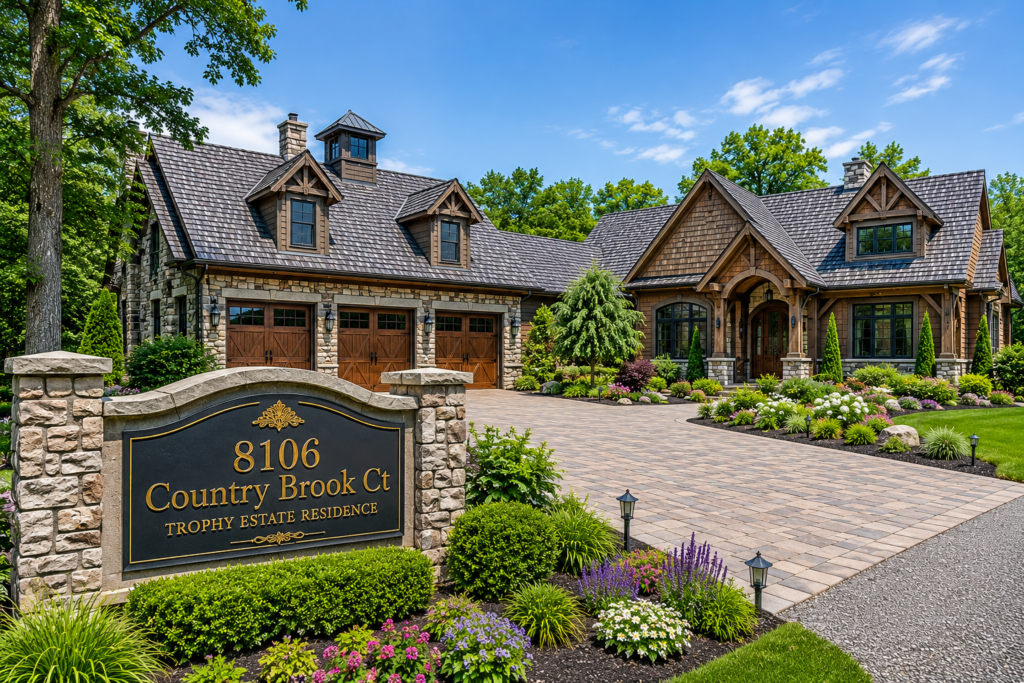
⭐ A Real-World Example of Modern Luxury Design
Many of today’s most desirable luxury design trends can be found in exceptional estate homes such as:
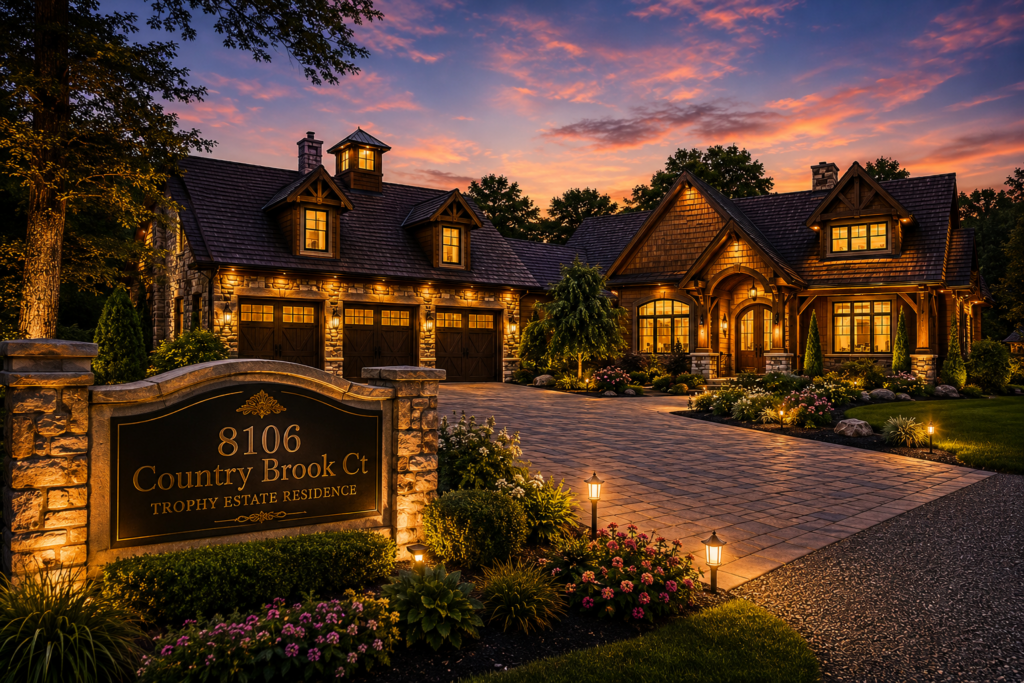
🏡 8106 Country Brook Court, Springboro, Ohio
This remarkable estate combines many of the qualities today’s luxury buyers seek:
✔ Timeless architectural design
✔ Luxury finishes
✔ Expansive entertaining areas
✔ Estate-style privacy
✔ Exceptional craftsmanship
✔ Flexible living spaces
✔ Prestigious community location
The property reflects how modern luxury homes successfully combine beauty, functionality, privacy, and long-term desirability.
View the complete property profile: 👉 https://casadelpendejo.com/8106-country-brook-ct/
Explore additional luxury real estate resources: 👉 https://casadelpendejo.com/
🌟 Looking Ahead: The Future of Luxury Home Design
The luxury homes of the future will likely continue emphasizing personalization, wellness, flexibility, sustainability, and technology. While specific design preferences may evolve, several priorities are expected to remain consistent:
✔ Privacy
✔ Quality craftsmanship
✔ Architectural distinction
✔ Outdoor living
✔ Wellness integration
✔ Smart technology
✔ Energy efficiency
✔ Lifestyle enhancement
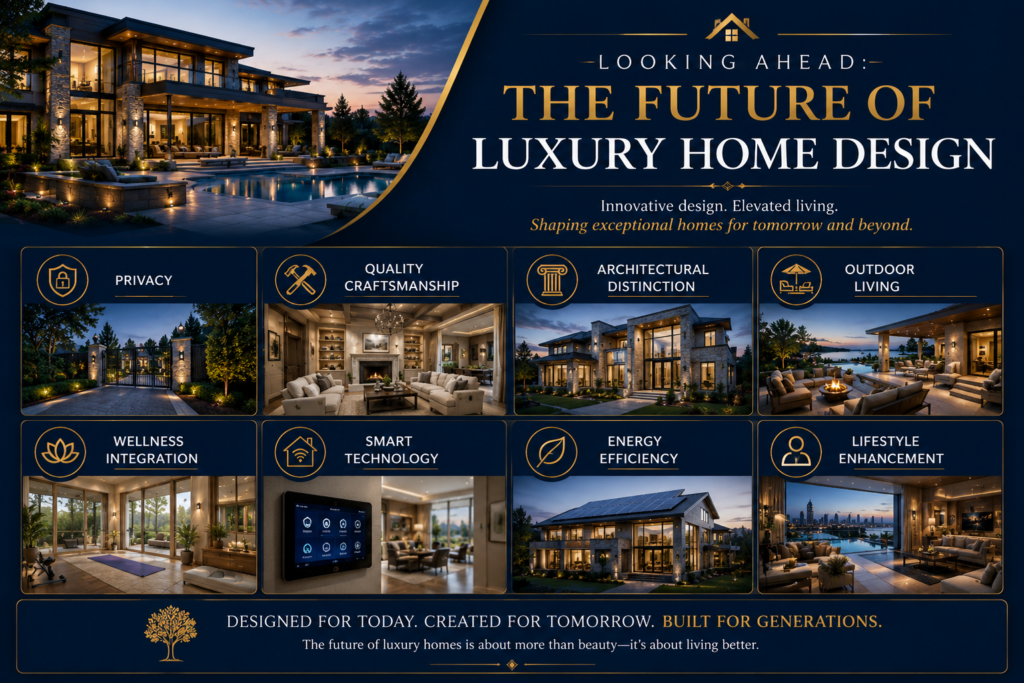
The homes that best combine these elements will continue attracting discerning buyers and maintaining strong long-term appeal.
Final Thoughts
Luxury home design is no longer defined solely by size or extravagance. Today’s affluent buyers seek homes that support their lifestyles, promote well-being, enhance daily living, and provide lasting value. From wellness-focused design and resort-style outdoor living to timeless architecture and integrated technology, the trends shaping luxury real estate in 2026 reflect a broader shift toward purposeful, experience-driven living.
As luxury buyers continue prioritizing quality, flexibility, privacy, and sustainability, estate homes that embrace these trends will remain among the most desirable properties in the marketplace. For those seeking exceptional living environments that combine beauty, functionality, and long-term value, modern luxury design offers more possibilities than ever before